How to Press Your Quilt Top Before Sending It to a Longarmer
Part of the Starshine Quilting Studio Learn & Prep series
If there's one thing we could tell every customer before they drop off their quilt, it's this: press it first. A well-pressed quilt top is the single most valuable thing you can do to set your quilt up for a beautiful finish. And yet, it's also one of the steps that's easiest to skip when you're excited to get your quilt in our hands!
So let's talk about what pressing actually means -- and what to look for when you're done.
Pressing vs. Ironing: A Quick Note
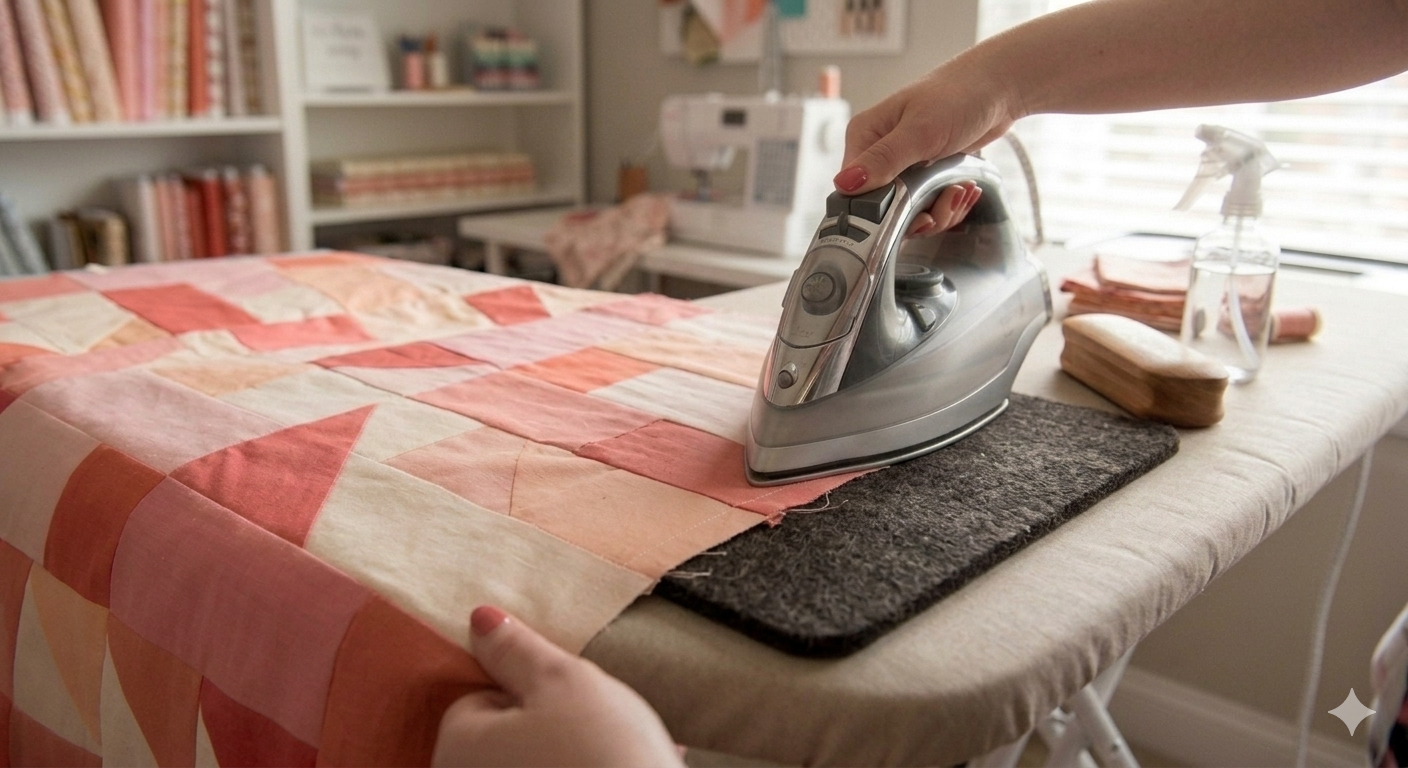
Pressing is different from ironing. When you iron, you slide the iron back and forth across the fabric. When you press, you lift the iron, set it down, apply pressure, then lift again. This matters because sliding can stretch fabric and create distortion in your piecing. For quilt tops especially, pressing is the way to go.
What You're Looking For
Seams should lay flat.
Here are some tips for flatter seams:
Set the Seam First: Press the iron over the seam exactly as it was sewn before opening it up to help lock the stitches into the fabric.
Finger press seams on the right side to help ensure that the seam lays flat.
Starch Your Fabric: Applying starch before cutting or during pressing can result in crisp fabric and cleaner seams.
If you have one, use a Tailor's Clapper: This tool helps in pressing by absorbing heat and holding the seam flat while it cools.
Wool Pressing Mat: A wool mat can help because it absorbs the heat from the iron, effectively pressing the fabric from both sides at once.
The goal is to have a nice flat, smooth surface on which to quilt.
Open Seams or Pressed to One Side?
We don't have a preference at Starshine! Press your seams however your pattern recommends, or however you prefer to work. Both open seams and seams pressed to one side work just fine for our machine.
What About Starch or Sizing?
A light spray of starch or fabric sizing can help stabilize your quilt top and make pressing easier. If you use it, let the quilt breathe a bit before rolling it up or folding it -- you don't want the starch to transfer to other layers.
Folding your quilt for transport
If you're bringing your quilt in or shipping it to us and it picks up a few creases on its way to us, don't stress. A crease from folding is very different from an unpressed seam — it relaxes quickly once the quilt is open and hanging. We'll give it a moment to breathe when it arrives.
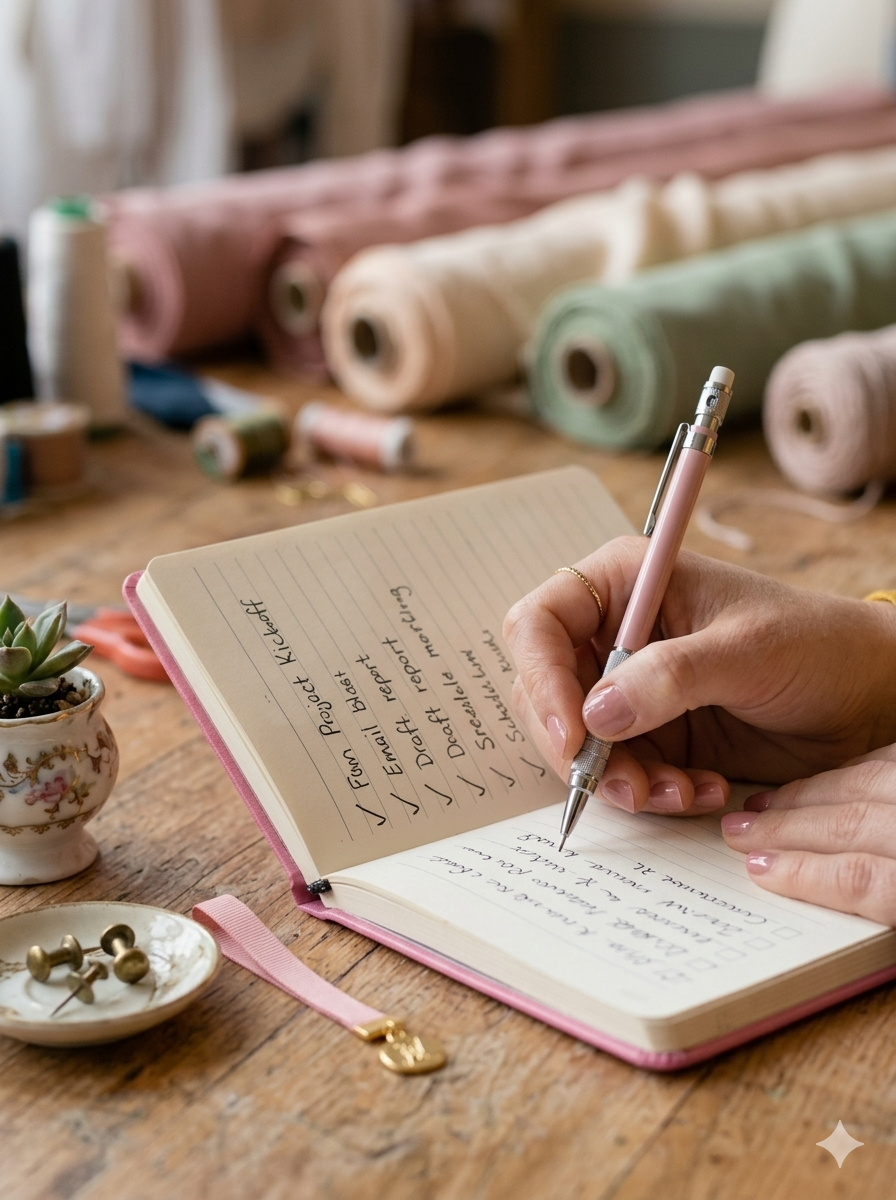
Quick quilt top Checklist Before You're Done
[ ] Seams lay flat with no fabric folding over on itself
[ ] Piecing “intersections” are as flat as possible
[ ] No seams have come undone (now's the time to catch those!)
[ ] The quilt top lays reasonably flat when spread on the floor
For a complete checklist, see the Pre-Dropoff Checklist
Have questions? Reach out anytime — and check out the rest of our Learn & Prep guides for everything else you need to know before drop-off or mail-in day.